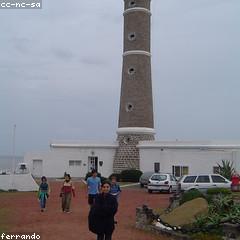
Although Uruguay is the second smallest country in South America, it offers a wealth of unique experiences. Named The Economist’s “ Country of the Year ” in 2013, Uruguay is one of the safest and most politically stable …
DEGREE
Preferred
TYPICAL MONTHLY SALARY
$1,100–$1,590 / month
COST OF LIVING
Medium
CAN SAVE MONEY
Yes
HIRING SEASONS
February, March, July, August
overview
Although Uruguay is the second smallest country in South America, it offers a wealth of unique experiences. Named The Economist’s “ Country of the Year ” in 2013, Uruguay is one of the safest and most politically stable nations in all of Latin America. It’s also one of the most progressive: Uruguay was the second Latin American country to legalize equal marriage rights, and the first nation in the world to make recreational cannabis legal. A haven for off-the-beaten-path tourist experiences and outdoor adventures, Uruguay also boasts state-of-the-art museums, fresh, open-air markets, picturesque cafes, and a sophisticated nightlife scene to boot. Read on to learn more about what to expect while living in this dynamic Latin American country!
History The region we now know as Uruguay was first inhabited by indigenous populations like the Charrúa, Chaná, and Guaraní Indians. The indigenous tribes successfully resisted the first Spanish incursions into Uruguay in 1516. By 1726, European diseases had devastated much of the native population, which enabled Spain to establish control over Montevideo. Following a struggle for independence from Spain and a brief period of Brazilian annexation, Uruguay officially declared itself an independent nation in 1828. In 1973, Uruguay experienced a violent turn when the military staged a coup d’état, ushering in twelve years of repressive rule . During this period, Uruguay gained the grim reputation of being “the torture chamber of Latin Amer…
qualifications
Teaching requirements vary by country. Some require a bachelor’s degree in any field, while others accept a high school diploma and a TEFL certificate. Some countries have strict visa requirements that may disqualify you based on your citizenship or criminal background. Let’s take a look at the qualifications needed for teaching English in Uruguay. Education While a bachelor’s degree is not required to teach in Uruguay, it is preferred by employers. However, opportunities are available for those without one. Citizenship Uruguay does not impose specific citizenship requirements for teaching English. English Fluency High fluency in English is required, and teachers may need to remain flexible regarding school and location preferences to compete with native English-speaking candidates. Non-native English speakers are also eligible for teaching positions in Uruguay. Background Check You must have an authenticated criminal record check (CRC) in order to qualify for the temporary residence permit in Uruguay. Sexual or violent crimes will likely disqualify candidates from teaching in Uruguay. Misdemeanors, such as minor driving offenses, may be accepted; however, securing employment in Uruguay under such circumstances may be more challenging. If you do have something on your record you can look into getting it expunged, otherwise you may want to look into another country as an option B. TEFL Certificate A TEFL certificate is highly beneficial and may be a requirement for certain sch…
job types
Uruguay offers a promising market for English teachers, particularly native English speakers. Located between the South American giants Brazil and Argentina, Uruguay is often overlooked by foreign educators planning a move to Latin America. However, the country’s strong economy and increasing reliance on international trade and commerce have created significant demand for English instruction, particularly for business English students. In Uruguay, English teaching positions are available in private language schools, as a tutor, or through the government-supported Fulbright Program . Private Language Schools For the most part, jobs at private language schools in Uruguay will be centered in larger cities such as Montevideo and Salto, though you’ll certainly be able to find positions scattered throughout smaller Uruguayan towns as well. The majority of your coworkers will be other foreign English speakers, and you could work with a wide array of students, from young children to teenagers to adults. As a teacher at a private language school, you should expect your hours to be concentrated in the afternoon and evening to accommodate students coming directly from public school or work — you might even have to teach a weekend day or two for this reason. Public Schools- Fulbright If you’re employed by Fulbright, on the other hand, you could be the sole native English speaker at your host institution — which is often a public school or local university — and you’ll teach more traditio…
applying
Now that you’ve explored the job types available to you, it’s time to begin the application process! There are several steps to take to find a job teaching English in Uruguay, and we have them all outlined here below. Heads up! The timelines for your job application process and for gathering documents for your visa may overlap. You’ll want to be working on both processes at roughly the same time. Be sure to check out our Uruguay Timeline as well as the Applying for the Visa section for more information and to make sure you are staying on top of your visa documents while applying for teaching positions.
Step 1: Prepare Your Initial Application Materials Resume & Cover Letter Your resume and cover letter are the keys to connecting with schools and beginning the application process. International employers look for specific elements in a resume that may differ from what you’re used to seeing domestically. To take a deeper dive into international resumes and cover letters, visit the Resume and Cover Letter section, located in Prepare & Apply section of the Alumni Corner!! Once you’ve updated your resume and cover letter to meet the recommended international standards, submit your draft to your Student Affairs Advisor for review.
Step 2: Determine Your Preferences A major part of the teaching abroad experience is enjoying where you’ll actually be living! Where you live plays a significant role in your teaching abroad experience. Consider your preferences for location, lifestyl…
accepting
Congratulations on your job offer(s)! If you’ve been offered a position from a school in Uruguay and you’ve followed our previous advice, you’re already off to a great start. But what’s next? Determining whether or not the offer is right for you. To help make this decision, follow the recommendations below by reviewing the basics. Typical teaching contracts in Uruguay last between 6 and 12 months. Whether you have one offer or several, the key elements you’ll want to take note of are: salary, working hours, vacation days, sick days, housing, airfare, insurance, and bonuses. Let’s take a closer look at what to expect with each of these elements. Review the Basics Salary & Severance Pay The average starting salary for a first-year English teacher in Uruguay is 38,000 – 55,000 UYU (Uruguayan Pesos) per month. Anything significantly lower or higher should make you ask a few questions. If the reason for the pay difference is obvious, like you’ll be in a rural location with a low cost of living or working longer than average hours, you may find that you’re okay with it. But don’t accept a contract that is paying you less for doing the same amount of work the average English teacher does, or one that doesn’t fit into your work-life-travel balance. Upon completion of a one-year contract, a select number of employers might offer a completion or re-signing bonus, though this is not always the case in Uruguay. The bonus amount can vary school to school, and you’ll want to make sure that…
visa
The word “visa” tends to provoke daunting images of endless red tape and paperwork but we’re here to ease your anxiety and hopefully have you zipping through this process like a pro. Below, we’ll outline the most common visa routes for foreign English teachers in Uruguay, and then dive into a deeper look at the required documents for temporary residence permits there. As is always the case with any of the visa advice we provide, please be sure to cross-check this information with your local Uruguay consulate or embassy to ensure you are getting the most up-to-date, accurate, and personalized instruction there is! Visa Types Temporary Residence Permit What is it? A temporary residence permit will allow you to live and work in Uruguay if you plan on residing there for more than 180 days but less than two years. How do you get one? You’ll need to apply for this permit by submitting all the required paperwork to the Dirección Nacional de Migración, or the National Immigration Office, in Uruguay after you’ve arrived. More on that paperwork below! How long is it valid? The temporary residence permit is typically valid up to two years, but can be extended as long as the permit holder applies for renewal prior to the expiration of the original permit. Working Holiday Visa What is it? This visa provides young travelers, typically between the ages of 18 to 30 a chance to experience living and working legally in a foreign country for six months to a year. Working Holiday Visas are offer…
relocation
In the days, weeks, and months leading up to your move abroad, it’s more important than ever to stay organized and ask yourself: What are the logistics I have to consider and the loose ends I have to tie up in order to thrive in my new home? Do I have to worry about taxes? What about health insurance? And what the heck do I do about a cell phone? Fear not, TEFL teacher. In this section, you’ll find the tips, resources, and wisdom to tackle these questions and more! Review the Basics Health Insurance Although in a perfect world an apple a day would keep the doctor away, in reality, even teachers get sick. Cue health insurance. Regardless of the country you end up in, you should always inquire about health insurance before accepting a position. If health insurance is indeed provided by your employer, it’s imperative that the relevant details are outlined clearly in any contract you sign. Once you have your temporary residence permit and cédula in Uruguay, you’ll be eligible to use the country’s public healthcare system. There are public hospitals and clinics throughout the country that you can visit, run by Uruguay’s Directory of the State Health Services Administration (ASSE). If you want to supplement this public health insurance plan with a more comprehensive private insurance option, you will need to do your own research in order to determine which plan might be the best fit for you, your health needs, and any dependents you might be bringing abroad with you. With so many i…
timeline
You have finally made it to the end of the Uruguay section, no small feat! Here is all of that wonderful information from the previous section laid out step-by-step and month-by-month before your intended departure date for Uruguay. This timeline is not only for the planners and checklist lovers (although you will love this too!). It is strongly encouraged for anyone planning a move to Uruguay to help keep you on track and organized as you make your way through the process. Finding a Job in Advance The peak hiring season for English teaching jobs in Uruguay is February through March and July through August, so plan to arrive in Uruguay during one of these months. Hiring slows to a halt from late December through early January during the winter holidays and Carnaval. Take your desired start date and subtract from there. While it may be possible to move some parts of the process along quicker, follow this timeline as closely as possible. 4 months before departure: Begin your research ___List out your preferences and priorities. ___ Chat with ITA alumni and read about alumni experiences , watch a Student Affairs webinar. ___Read about Uruguayan culture. ___Ensure your passport will be valid six months past your anticipated return date or order a new passport. ___Start saving up so you have enough money in your bank for start-up costs. It’s recommended to have between 70,000 to 95,000 UYU saved by the time you arrive. 3 months before departure: Prepare temporary residence permit …
alumni
Finding somewhere to live in Montevideo is very simple- just use Airbnb! Housing in Montevideo means that you’ll be renting a room in someone’s house or apartment, and that you’ll more than likely have a few roommates. I currently live with a Uruguayan lady in her late 40s, and I rent her spare bedroom. She works long hours during the day, so I am lucky enough to have the apartment to myself! Some of my other friends living here share apartments with 4-5 people, which seems to be the norm. Adria B. Montevideo, Uruguay If you are considering teaching English in South America, Uruguay is a country that is rich in natural beauty, sandy beaches, colonial cities, great cuisine, music, art, literature and friendly people that will make you feel right at home! It may not be as large of a job market as Argentina, Chile, or even Peru, but given the country's relatively strong economy and its increasing reliance on international trade and commerce, the demand for TEFL certified English teachers is growing and there's no reason why any TEFL certified English teacher who ventures to this gem of a nation will not be successful in gaining employment. Gabriela F. Uruguay