Nicaragua is a hidden gem of Central America with a growing economy and eco-tourism industry, similar to Costa Rica, but without the same volume of tourists coming in each year. This small but beautiful country has breat…
DEGREE
Preferred
TYPICAL MONTHLY SALARY
$323–$647 / month
COST OF LIVING
Low
CAN SAVE MONEY
Yes
HIRING SEASONS
year-round
overview
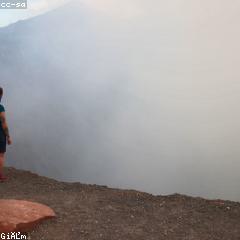
Nicaragua is a hidden gem of Central America with a growing economy and eco-tourism industry, similar to Costa Rica, but without the same volume of tourists coming in each year. This small but beautiful country has breathtaking coastlines, volcano trekking, colonial towns, and a vibrant, colorful way of life. People The ethnic makeup of Nicaragua, a country of over 6.5 million people , is largely mestizo, or of both indigenous and European descent and roughly 70% of nicas (Nicaraguans) identify as mestizo. About 15% of the population identify as white European, 10% identify as black, and about 5% identify as native indigenous Nicaraguan. Spanish is the primary language, but many indigenous dialects, including Miskito, Sumo, and Rama are also spoken. Economy Nicaragua’s economy thrives off of its export of textiles and agricultural products, in addition to tourism. However, nationwide protests against government social reforms starting in 2018 (and continuing into the present day) have made Nicaragua’s political structure unstable and increased rates of poverty and crime. This political and economic strife has heavily impacted everyday life in Nicaragua, including the tourism industry, which has, in turn, decreased the need for English teachers and the country’s ability to support a large English teaching market. Landscape & Cityscape Although less economically stable than some of its neighbors, Nicaragua is just as beautiful. A major sight to see and enjoy is the white sand b…
qualifications
Each country has its own requirements and qualifications when it comes to teaching. Some require a bachelor’s degree in any field. In others, you’ll qualify with only a high school diploma and your TEFL certificate. Some countries have strict visa requirements that may disqualify you based on your citizenship or criminal background. Let’s take a look at the qualifications needed for teaching English in Nicaragua: Education A bachelor’s degree is not required to teach in Nicaragua, but is preferred by employers. Those who do not have a bachelor’s degree will still have options to teach in Nicaragua. Citizenship There are no specific citizenship requirements to teach English in Nicaragua, though employers prefer to hire citizens of the United States, United Kingdom, Canada, Ireland, Australia, New Zealand, or South Africa. English Fluency If you are not a citizen of one of the above countries, you will be expected to be fluent in English and speak at a near-native level to be considered for English-teaching jobs. Background Check A clean background check is not necessary to teach in Nicaragua on a tourist visa (most English teachers work on a tourist visa in Nicaragua – more information on that in the Applying for the Visa section). TEFL Certificate A TEFL certificate is highly advantageous for all positions and may be required by individual schools. Age Ageism does exist in Nicaragua and if you’re over the age of 60 you may have a harder time finding a job due to retirement la…
job types
The ESL job market in Nicaragua hasn’t yet recovered from recent political strife that heavily impacted tourism in the country. Tourism is what typically creates demand for English teachers in Latin America, so the demand for paid teachers is not as strong as it is in other countries in Central America, such as Costa Rica or Panama. However, there are still opportunities at private language schools in Nicaragua for teachers willing to look for them! Hopefully stability is on the horizon, and with it an increase in tourism and a stronger ESL job market. Plan to focus your job search in the larger cities of Nicaragua for more opportunities and job openings. Managua boasts the biggest market as the country’s capital with the highest population, however, León, the second-largest city in Nicaragua, has opportunities for teachers, as well. Private
Language Schools Private language schools are privately-run and typically for-profit language training centers that can cater to students of all ages, backgrounds, and abilities. Most TEFL-certified English teachers will find jobs at private language schools in Nicaragua, teaching mainly business professionals and adult students. Many school-aged students will attend private English language schools to supplement their public or private school language education, and adults will often attend to develop their foreign language competency and thereby advance their professional and career options. Unlike public schools or international schoo…
applying
Now that you’ve explored the job types available to you, it’s time to begin the application process! There are several steps to take to find a job teaching English in Nicaragua, and we have them all outlined below. Heads up! The timelines for your job application process and for gathering documents for your visa may overlap. You’ll want to be working on both processes at roughly the same time. Be sure to check out our Nicaragua Timeline , as well as the Applying for the Visa section for more information and to make sure you are staying on top of your visa documents while applying for teaching positions.
Step 1: Prepare Your Initial
Application Materials
Resume & Cover Letter Your resume and cover letter are the keys to connecting with schools and beginning the application process. International employers look for specific elements in a resume that may differ from what you’re used to seeing domestically. To take a deeper dive into international resumes and cover letters, visit the
Resume and
Cover Letter section ! Once you’ve updated your resume and cover letter to meet the recommended international standards, submit your draft to your Student Affairs Advisor for review.
Step 2: Determine Your Preferences A major part of the teaching abroad experience is enjoying where you’ll actually be living! Do you have a preference when it comes to your daily routines and surroundings? Do you want to live in the bustling city of Managua? Or do you crave a picturesque, historical exp…
accepting
Congratulations on your job offer(s)! If you’ve been offered a position from a school in Nicaragua and you’ve followed our previous advice, you’re already off to a great start. But what’s next? Determining whether or not the offer is right for you. To help make this decision, follow the recommendations below by reviewing the basics. Whether you have one offer or several, the key elements you’ll want to take note of are: salary, working hours, vacation days, sick days, housing, airfare, insurance, and bonuses. Let’s take a closer look at what to expect with each of these elements.
Review the Basics
Salary & Severance Pay The average starting salary for a first-year English teacher in Nicaragua is 9,400 – 18,800 Nicaraguan Córdobas (NIO) per month. Anything significantly lower or higher should make you ask a few questions. If the reason for the pay difference is obvious, like you’ll be in a rural location with a low cost of living or working longer than average hours, you may find that you’re okay with it. But don’t accept a contract that is paying you less for doing the same amount of work the average English teacher does, or one that doesn’t fit into your work-life-travel balance. Upon the successful completion of a full teaching contract, some employers might offer a completion or re-signing bonus. Not all schools will offer this perk, and many schools will determine your bonus amount via a performance review. You’ll want to make sure that any bonus details are clearly sti…
visa
The word “visa” tends to provoke daunting images of endless red tape and paperwork but we’re here to ease your anxiety and hopefully have you zipping through this process like a pro. Below, we’ll outline the most common visa routes for foreign English teachers in Nicaragua and then take a look at the required documents for a tourist visa. As is always the case with any of the visa advice we provide, please be sure to cross-check this information with your local Nicaraguan consulate or embassy to ensure you are getting the most up-to-date, accurate, and personalized instruction there is! Visa Types Tourist Visa What is it? A tourist visa allows you to stay in Nicaragua temporarily for purposes of rest or recreation for typically up to 90 days. The majority of English teachers in Nicaragua work on a tourist visa, especially if they are working in a private language school. Many English teachers in Nicaragua are hired by an employer “under the table” on a tourist visa. Though this might sound like a slightly questionable practice if you’re unfamiliar with it, in Nicaragua it’s a fairly standard routine for schools and teachers. How do you get one? First, check whether your citizenship allows you to enter Nicaragua visa-free, or if you need to apply for a tourist visa in advance of arriving in Nicaragua. If you need to apply for your tourist visa in advance, you’ll have to submit a visa application form, as well as any other required application documents such as your passport an…
relocation
In the days, weeks, and months leading up to your move abroad, it’s more important than ever to stay organized and ask yourself: What are the logistics I have to consider and the loose ends I have to tie up in order to thrive in my new home? Do I have to worry about taxes? What about health insurance? And what the heck do I do about a cell phone? Fear not, TEFL teacher. In this section, you’ll find the tips, resources, and wisdom to tackle these questions and more!
Review the Basics Health Insurance Although in a perfect world an apple a day would keep the doctor away, in reality, even teachers get sick. Cue health insurance. Regardless of the country you end up in, you should always inquire about health insurance before accepting a position. If health insurance is indeed provided by your employer (very rare in Nicaragua), it’s imperative that the relevant details are outlined clearly in any contract you sign. Nicaragua’s public healthcare system is universal and free for citizens and some permanent residents, but tourists are only allowed to utilize it in the case of emergencies. You’ll likely want to look into private health insurance options before traveling to Nicaragua, and do your own research in order to determine which health insurance plan abroad might be the best fit for you, your health needs, and any dependents you might be bringing along. With so many insurance options to choose from, picking out a good provider can be daunting for some teachers. One easy hack? …
timeline
You have finally made it to the end of the Nicaragua section – no small feat! Here is all of that wonderful information from the previous section laid out step-by-step and month-by-month before your intended departure date for Nicaragua. This timeline is not only for the planners and checklist lovers (although you will love this too!). It is strongly encouraged for anyone planning a move to Nicaragua to help keep you on track and organized as you make your way through the process. Use these timelines to nail down your plan of attack, and remember that the only times you do not want to arrive in Nicaragua to apply for jobs are during the holidays, including Christmas through the middle of January, Carnival (typically in February each year), and the week of Easter (Semana Santa). While it may be possible to move some parts of the process along quicker, follow this timeline as closely as possible. Finding a Job on the Ground Schools hire year-round in Nicaragua, so you can plan to arrive almost any time of year to apply for positions. Avoid applying to jobs in Nicaragua in late December through mid-January, as well as Carnival, and the week of Easter, as most schools will be closed for the holidays. While it may be possible to move some parts of the process along quicker, follow this timeline as closely as possible. 4-6 months before departure: Begin your research ___List out your preferences and priorities. ___Chat and network with ITA alumni . ___Read through ITA’s resources, …
alumni
Leon is a great city for nightlife, second only to Managua (but safer). You can go out to bars, go salsa dancing, catch a movie, play air hockey, smoke hookah, try a new restaurant, or sit and people watch in Parque Central. Outside of the city, activities are more limited. Lanae K. Leon, Nicaragua Research the country ahead of time to determine how the costs of things are in the country where you want to teach. This will allow you to plan properly what to bring with you and what you can just buy there. Audrey K. ITA Alum There are many beautiful places in Nicaragua to travel to. There are 17 volcanoes to visit, as well as beaches and lakes close by. Corn Islands is one of the cheapest Caribbean vacations you'll ever find ($160 round-trip flight from Managua and $10/night in a beach shack). The more mountainous country to the North such as Matagalpa and Esteli is beautiful. And you can easily take a bus to explore other countries in Central America if you have time to venture out. Lanae K. Leon, Nicaragua