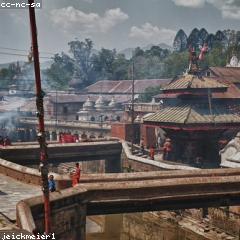
Nepal, a picturesque and culturally diverse country nestled in the heart of the Himalayas, offers a unique blend of ancient traditions and modern aspirations. Known for its stunning landscapes, including Mount Everest, t…
DEGREE
Not required
COST OF LIVING
Low
CAN SAVE MONEY
No
overview
Nepal, a picturesque and culturally diverse country nestled in the heart of the Himalayas, offers a unique blend of ancient traditions and modern aspirations. Known for its stunning landscapes, including Mount Everest, the world’s highest peak, Nepal has a growing demand for English language instruction, especially as its economy develops and more people seek opportunities in global markets. While the country’s ESL job market is still evolving, determined teachers can find opportunities in private language schools, non-profit organizations, and volunteer positions. The capital city, Kathmandu, is the hub of educational and economic activity, with Pokhara and Lalitpur also emerging as areas with potential teaching prospects. English proficiency is becoming increasingly important for business, tourism, and education, driving the demand for qualified instructors.
History Nepal has a rich and complex history, deeply influenced by Hinduism and Buddhism, and shaped by its isolation as a kingdom for much of its history. The country transitioned into a federal democratic republic in 2008, ending centuries of monarchy. Nepal’s historical ties with neighboring India and Tibet, combined with its own diverse ethnic communities, contribute to a vibrant culture that blends ancient traditions with modern influences. The push for educational reform and expansion in Nepal has led to a rise in the importance of English in both urban and rural areas.
Climate & Landscape Nepal boasts a range…
qualifications
Teaching English in Nepal is an opportunity best suited for those looking for volunteer positions rather than high-paying jobs. While there is a growing demand for English instruction, particularly as the country continues to develop and urbanize, paid teaching positions are still limited. Most opportunities will be found on the ground, and teachers who are adaptable, resourceful, and dedicated to the cause may find fulfilling experiences through volunteer-based roles.
Education A bachelor’s degree is not required to teach in Nepal, but it may be preferred by certain private language institutes or international schools. That said, the vast majority of available opportunities will be in volunteer roles, where formal education requirements are more flexible. Those without a degree can still find ways to teach, particularly in community programs, religious organizations, and NGOs focused on education.
Citizenship There are no official citizenship restrictions for teaching in Nepal. However, native English speakers from the United States, United Kingdom, Canada, Ireland, Australia, New Zealand, or South Africa may be preferred for certain positions. Fluent non-native English speakers with strong teaching experience may also qualify, particularly in volunteer settings. English Fluency To secure a teaching role—paid or unpaid—candidates must demonstrate fluency in English. For non-native speakers, a TEFL certificate or relevant teaching experience can help establish credibility…
job types
With a rapidly growing population and increasing interest in English education, Nepal presents opportunities for foreign English teachers, though most positions are volunteer-based. Paid ESL jobs are relatively rare, and most opportunities will require teachers to be flexible and proactive in their job search. Volunteer Opportunities The vast majority of ESL teaching positions in Nepal are through volunteer programs. NGOs, religious organizations, and community initiatives offer placements in rural schools and urban centers where English education is in demand. These roles often include homestays with local families, providing an immersive cultural experience. Volunteer teachers typically instruct children, young adults, or professionals seeking to improve their English for career advancement. Private Tutoring and Teaching Online Private tutoring is a flexible way for teachers to earn income while living in Nepal. Many professionals and students seek one-on-one instruction, particularly in major cities. However, tutoring opportunities are usually arranged independently, and income can be inconsistent. There are pros and cons to private tutoring – you can make your own schedule, set your own pay rate, and determine which levels of students you’d like to work with, and how many hours you’d like to work per week. However, private tutoring takes a bit more work and energy to arrange, and your hours may be inconsistent, depending on how well you’re able to build a student base. Th…
applying
Now that you’ve explored the job types available in Nepal, it’s time to begin the application process! As in many volunteer-based markets, the application process for ESL positions in Nepal may differ from traditional teaching roles in other countries. Below, we’ve outlined the essential steps to help you find and secure an English teaching position in Nepal.
Step 1: Research and Identify Potential Opportunities The first step is identifying the type of teaching opportunity that best matches your experience and preferences. While paid ESL positions are limited in Nepal, volunteer opportunities are widespread and can be found through NGOs, community-based organizations, religious groups, and educational initiatives. If you’re looking for paid positions, these can be found in private language schools or international institutions, particularly in Kathmandu and other larger cities. Here is a starting list of volunteer programs in Nepal: Kathmandu Environmental Education Project Insight Nepal Himalayan Lifeline Education Program Mondo Foundation Step 2: Prepare Your Application Materials For volunteer positions, applications may require a statement of interest explaining why you wish to teach in Nepal, along with a resume and possibly references. Some NGOs may request a background check. For paid teaching positions, schools may require: A professionally formatted resume highlighting teaching experience (if any) A cover letter tailored to the specific school A TEFL certificate (…
accepting
Congratulations on your offer! Since most positions in Nepal are volunteer-based, your primary considerations should be accommodations, support services, and cultural immersion opportunities rather than salary or benefits. Before committing, ensure you understand: Living arrangements (homestays, shared housing, or independent accommodation) Teaching schedules and expectations Any fees or costs associated with participation (some programs require teachers to cover expenses) Support networks available, including training, mentorship, and in-country assistance If you receive multiple offers, compare the level of support provided, the community impact of the role, and any additional perks such as meal stipends or language classes. Choosing the right position will ensure a more fulfilling and sustainable experience in Nepal. Applying for Your Visa
visa
The visa process for Nepal is fairly straightforward, especially since most teaching opportunities are volunteer-based. Since paid positions are limited, most teachers enter on a tourist visa, which can be extended. You’ll need to connect with the organization you’re volunteering with for specific visa guidance, as they will assist with the process. For volunteer roles, you typically won’t need a work visa, but you may need to leave the country and re-enter to extend your stay. Make sure to check with the Nepalese consulate for the latest visa requirements and details specific to your situation. Relocation Basics
relocation
In the days, weeks, and months leading up to your move abroad, In the months leading up to your move abroad, it’s crucial to stay organized and ask yourself the right questions: What logistical tasks do I need to manage to thrive in my new home? Do I need to worry about taxes? Health insurance? And what about a cell phone? Fear not, TEFL teacher! In this section, you’ll find tips, resources, and guidance to help you tackle these questions and more as you prepare to teach and volunteer in Nepal. Review the Basics Health Insurance In Nepal, most teaching opportunities will be volunteer-based, so don’t expect employer-provided health insurance. If you are volunteering, you’ll be responsible for your own health coverage. It’s critical to look into international health insurance plans that cover you while abroad, especially since healthcare services may be limited in rural areas. Check out region-specific Facebook groups to connect with teachers who have worked in Nepal and get recommendations for providers they’ve used. If you are taking a position with an organization that does offer health insurance (though this is rare for volunteer roles), make sure the details are clearly stated in any agreement you sign. Be sure to research what will be covered, especially if you have any existing medical conditions or need to bring dependents with you. Savings & Banking Since most opportunities in Nepal will be volunteer positions, it’s essential to prepare financially for the fact that yo…
alumni
When looking for a place where to volunteer the first thing I found was the homestay where I lived and they connected me with the school. In the homestay I was living with a local family and I had my own room. The living conditions were very basic, but it really helped me understanding how locals live. In the homestay I was paying for my room and all the meals. Jimena M. Ghatchhina, Nepal Wherever you go, make sure you have a support system, whether it's colleagues or your mom via Facebook chat. No matter how strong or independent you are, you're going to need someone at some point. Also, dive head-first into whatever culture you find yourself in. There's no point in living in a foreign country if you're going to insist on doing everything in the exact way an American would. That's not to say you should abandon your American self; that's just to say that moving abroad is and should be a holistic experience. Rebecca S. ITA Alum When planning to teach abroad, it's important to first read and inform yourself about the country. Read about cultural aspects, teaching, living in the country, etc, since that helps a lot to reduce the cultural shock when arriving there. Don't expect to continue having the same lifestyle you have in your country when moving abroad ... be ready to adapt and adjust to the country you chose to teach, as this will help you learning a lot about the culture of this new country.
I would definitely recommend to volunteer in Nepal, it's an amazing country with …