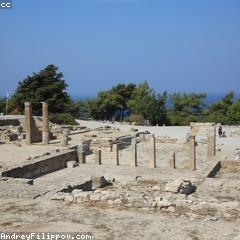
The Land of the Gods,” “The Cradle of Western Civilization,” “The Pearl of the Mediterranean” — Greece is a country with countless nicknames, each reflecting its rich history, stunning landscapes, and vibrant culture. Ne…
DEGREE
Preferred
TYPICAL MONTHLY SALARY
$880–$1,210 / month
COST OF LIVING
Low
CAN SAVE MONEY
No
HIRING SEASONS
September, January
overview
The Land of the Gods,” “The Cradle of Western Civilization,” “The Pearl of the Mediterranean” — Greece is a country with countless nicknames, each reflecting its rich history, stunning landscapes, and vibrant culture. Nestled at the crossroads of Europe, Asia, and Africa, Greece offers an incredible mix of ancient ruins, breathtaking islands, and a warm Mediterranean climate. Although home to just over 10 million people, Greece’s influence extends far beyond its borders, with its ancient language, philosophy, art, and politics shaping much of Western culture. Greek, one of the oldest languages still spoken today, is an essential part of daily life, though English is widely understood, especially in tourist areas and larger cities. Learning Greek, while challenging, will enhance your experience as you immerse yourself in the local culture and traditions.
History & Culture Greece’s history dates back thousands of years, with some of the earliest signs of civilization emerging in the Minoan and Mycenaean cultures. The island of Crete, home to the ancient Minoans, boasts the Palace of Knossos, while mainland Greece is the birthplace of Democracy and Philosophy, with cities like Athens home to the iconic Parthenon and other monumental ruins. Over centuries, Greece saw conquests by the Romans, Byzantines, and Ottomans, each leaving their mark on the country’s culture, architecture, and identity. Modern Greece, however, is a thriving member of the European Union and remains one of …
qualifications
Each country has its own requirements and qualifications when it comes to teaching. Some require a bachelor’s degree in any field. In others, you’ll qualify with only a high school diploma and your TEFL certificate. Some countries have strict visa requirements that may disqualify you based on your citizenship or criminal background. Let’s take a look at the qualifications needed for teaching English in Greece.
Education A bachelor’s degree is preferred, but not required to teach in schools in Greece.
Citizenship European Union (EU) citizens are able to work legally in Greece. There are no specific citizenship requirements to teach English in Greece, and you do not need to be a native English speaker in order to find a job there. See more below regarding English fluency levels. For those without EU citizenship, it will be much harder to find a school that can hire you and sponsor you.
English Fluency As mentioned above, there are no citizenship requirements to teach in Greece. That being said, if English is not your first language you’ll still need to have a high fluency in English, and you might need to be more flexible about your school and location preferences to compete with native English-speaking candidates.
Background Check While a 100% clean criminal record check is not generally a requirement to teach in Greece, some schools may require it.
Medical Check A medical check is not required to teach in Greece, though certain schools might require it.
TEFL Certificate…
job types
While Greece is often known for its ancient history and stunning islands, many are starting to see that it offers much more beyond its famous landmarks! With a rich cultural heritage, a thriving café and nightlife scene, delicious Mediterranean cuisine, and a lower cost of living compared to much of Western Europe, it is an attractive destination for travelers and expats alike. While there is demand for English teachers in Greece, securing a job without citizenship or work rights is challenging. Economic struggles and school closures make visa sponsorship rare. Hiring seasons are extremely important for Greece. September is the first peak hiring season right after everyone is back from their summer vacations and ready to start the school year; the second being January just after the holidays. It is very hard to find a job outside of the hiring seasons and we do not typically recommend going to Greece at any other time.
Contracts are typically valid for 10-12 months. You can find most English teaching positions in private language schools. Let’s learn a bit more about the types of jobs in Greece and life as a teacher!
Private Language Schools Unlike public or private schools, private language schools specialize solely in the teaching of foreign languages. Many school-aged students will attend private language schools to supplement their public or private school language education, and adults will often attend private language schools to develop their foreign language compete…
applying
Congrats! You have decided between applying to a private language school a private or international school…or maybe you haven’t yet. That’s okay! We can at least start the necessary steps for the application process in Greece. Heads up! For non-European Union (EU) citizens, be sure to check out our teaching in Greece Timeline , as well as the Applying for the Visa section for more information and to make sure that you are staying on track with your documents. As most positions do not offer a work permit, you will be going over on a student visa or working holiday visa (if you qualify) which have certain timelines before going abroad.
Step 1: Prepare Your Initial Application Materials Resume & Cover Letter Your resume and cover letter are the keys to connecting with schools and beginning the application process. International employers look for specific elements in the resume that may differ from what you’re used to seeing domestically. To take a deeper dive into international resumes and cover letters, visit the Prepare section! Once you’ve updated your resume and cover letter to meet the recommended international standards, submit your drafts to your Student Affairs Advisor for review.
Photos In Europe, it is very common to include a photo on your resume and possibly as a part of the application process. A headshot photo is typical, which you can send with your application, though some schools will also ask for a full-body shot. Don’t send any additional photos unless requ…
accepting
Congratulations on your job offer(s)! If you’ve applied to work at a private language school, and you’ve followed our previous advice you’re already off to a great start. But what’s next? Determining whether or not the offer is right for you. To help make this determination, follow the recommendations below. Whether you have one offer, or several, the key elements you’ll want to take note of are: salary, working hours, vacation days, sick days, medical insurance, and bonuses. Let’s take a closer look at what to expect with each of these elements.
Review the Basics Salary The average starting salary for a first-year English teacher in Greece is 800 EUR — 1,100 EUR per month. Anything significantly lower or higher should make you ask a few questions. If the reason for the pay difference is obvious, like a rural location with a low cost of living or longer than average working hours, you may find that you’re okay with it. But don’t accept a contract that is paying you less for doing the same amount of work the average English teacher does, or one that doesn’t fit into your work-life-travel balance.
Working Hours Teaching English in Grece is typically a full-time gig. Most teachers work between 22 and 35 hours per week. However, there’s more than just the total number of working hours per week to consider. Will you have to work in the morning for a few hours and then come back for more in the evening? Will you have to work on weekends? Does your school require that you show up …
visa
The word “visa” often brings to mind endless red tape and paperwork, but we’re here to ease your anxiety and help you navigate the process like a pro. Below, we’ll outline the most common visa routes for foreign English teachers in Greece. However, it’s important to note that securing a work visa as a non-EU citizen is extremely difficult, as schools rarely offer sponsorship. If you do not already have EU citizenship or legal work rights, finding a job can be challenging. As always, be sure to cross-check this information with your local Greek consulate or embassy to ensure you have the most up-to-date and accurate guidance! Visa Types Working Holiday Visa/ Youth Mobility Visa What is it? This visa provides young travelers, typically 18 to 30, a chance to experience living and working legally in a foreign country for six months to a year. Working Holiday or Youth Mobility Visas are offered only under reciprocal agreements between countries to encourage cultural exchange. Greece has this agreement with Australia and Canada . How do you get one? First, it is important to make sure you meet the requirements depending on your citizenship. Second, follow the application instructions listed for your respective citizenship. How long is it valid? The Working Holiday or Youth Mobility Visa is valid for one year. Student Visa What is it? Those who plan to study in Greece at a recognized language school, university, etc. may be eligible to legally work in Greece while studying. Typicall…
relocation
In the days, weeks, and months leading up to your move abroad, it’s more important than ever to stay organized and ask yourself: What are the logistics I have to consider and the loose ends I have to tie up in order to thrive in my new home? Do I have to worry about taxes? What about health insurance? And what the heck do I do about a cell phone? Fear not, TEFL teacher. In this section, you’ll find the tips, resources, and wisdom to tackle these questions and more!
Review the Basics Health Insurance Although in a perfect world an apple a day would keep the doctor away, in reality, even teachers get sick. Cue health insurance/care. Regardless of the country you end up in, you should always inquire about health insurance before accepting a position. If health insurance is indeed provided by your employer, it’s imperative that the relevant details are outlined clearly in any contract you sign. In Greece, basic healthcare is typically provided by the government if you are studying, working legally, or covered under the Greek National Health System (ESY). However, securing legal work status can be challenging for non-EU citizens, as work visas are rarely sponsored. Private healthcare is also an option for those who prefer additional coverage or faster access to services. It is also a good idea to purchase travel insurance which is separate from health insurance. This typically covers any major expenses if you are severely injured or sick in another country. ITA recommends Savings…
timeline
You have finally made it to the end of the Greece section, no small feat! Here is all of that wonderful information from the previous sections laid out step-by-step and month-by-month before your intended departure date for Greece. This timeline is not only for the planners and check-list lovers (although you will love this too). It is strongly encouraged for anyone planning a move to Greece to help keep you on track and organized as you make your way through the process. Finding a Job on the Ground Please keep in mind that the main hiring seasons for Greece are September and January. Take your desired start date and subtract from there. While it may be possible to move some parts of the process along quicker, follow this timeline as closely as possible. 4 months before departure: Begin your research ___ List out your preferences and priorities ___ Chat with ITA alumni , watch alumni videos and read about alumni experiences ___ Read through ITA’s resources, watch/attend a Student Affairs webinar ___ Network with ITA Alumni and watch Instagram takeovers, etc. ___ Read about Greece and Greek culture, etc. ___ Ensure your passport is valid for the entire time you plan to be in Greece and six months after ___ Order a national-level background check ___ Start saving up so you have enough money in your bank for start-up costs 2-3 months before departure: Make travel and accommodation arrangements ___ Book flight to Greece ___ Book short-term accommodations for your first couple of …
alumni
I run to the beach almost every day. It is one of the greatest parts about living in Greece, is that you're never far from the sea. Megan L. Missolonghi, Greece Firstly, make sure you do research into the country, try to reach out to other expats living there, and get a feel for it. Make sure it's a place you could see yourself being happy in... I always suggest making a list of personal pros and cons before making any big decision, and that's what I did before moving here. Laura T. ITA Alum