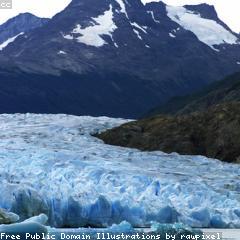
Most foreigners are initially drawn to Chile by the promise of excellent wine and Chilean Patagonia’s famous Torres del Paine National Park (which both deliver ten-fold!), and leave discovering a country that has so much…
DEGREE
Required
TYPICAL MONTHLY SALARY
$733–$1,000 / month
COST OF LIVING
Medium
CAN SAVE MONEY
No
overview
Most foreigners are initially drawn to Chile by the promise of excellent wine and Chilean Patagonia’s famous Torres del Paine National Park (which both deliver ten-fold!), and leave discovering a country that has so much more to offer thanks to its culture, traditions, history, and unique geographical shape. This long, skinny country nestled at the end of the world in South America has won many deserved awards in recent years. Well-known travel and adventure organizations such as National Geographic, TripAdvisor, and Lonely Planet have recognized Chile as being an exceptional location for tourism for all of its natural wonders! Landscape Chile boasts over 4,000 miles of coastline which means ample opportunities to enjoy incredible beaches, surfing, and of course world class seafood. Because of Chile’s slender disposition, it’s fairly easy to head to the coast from almost anywhere and enjoy all it has to offer from most locations including from the capital Santiago, where popular Viña del Mar is only a mere 1 hour and 30 minute bus ride away. It is important to note however, that the ocean waters along Chile’s coast are often quite cold even in the height of summer due to the Humboldt Current which brings chilly water from the south – you might find yourself wearing a wetsuit! The benefit of this cold water is that it attracts a wide array of biodiverse marine life of mammals, seabirds, and fish. In addition to enjoying that playa (beach) lifestyle, there are many other t…
qualifications
Each country has its own unique requirements and qualifications when it comes to teaching. Some require a bachelor’s degree in any field. In others, you’ll qualify with only a high school diploma and your TEFL certificate. Some countries have strict visa requirements that may disqualify you based on your citizenship or criminal background. Let’s take a look at the qualifications needed for teaching English in Chile. Education The majority of positions in Chile, including the English Opens Doors Program , require an apostilled bachelor’s degree in any subject from an accredited university because this is a requirement for the Professional Visa . If you do not have a bachelor’s degree, you may be able to still find work in Chile as long as your school is willing to help you apply for a Subject to Contract Visa . Head to our visa section for more information. Citizenship You must be a citizen of a native English speaking country or have a high level of English fluency in order to secure employment in Chile. English Fluency If English is not your first language you’ll still need to have a high fluency in English, and you might need to be more flexible about your school and location preferences to compete with native English-speaking candidates. Background Check You must provide an apostilled Criminal Record Check issued within 60 days of the visa application in order to apply for the Subject to Contract Visa and the Professional Visa. Any major crimes/felonies may disqualify y…
job types
In Chile, you can find English-teaching positions at private language schools, at public schools through the English Opens Doors Program ( EOD ), or you can work as a private tutor. Private language schools are privately-run and are typically for-profit language training centers that may cater to students of all ages, backgrounds, and abilities. Many school-aged students will attend private language schools to supplement their public or private school language education, and adults will often attend private language schools to develop their foreign language competency in order to advance their professional opportunities. Unlike public or private schools, private language schools specialize solely in the teaching of foreign languages. Class sizes at private language schools will typically be small — teachers might instruct a handful of learners of the same language level, or conduct private one-on-one lessons. Public Schools Should you choose to apply to the English Opens Doors Program , you will be placed wherever the demand is highest, or where there is the greatest need for public school teachers. There are placements all over the country, from Arica to Punta Arenas, and you can rank your top preferences on your application. Destinations such as Santiago, Viña del Mar, and Valparaíso are very popular, so don’t expect to be placed in one of these cities. Private Language Schools While teaching positions can be found throughout the country, you’ll find that the strongest ma…
applying
Now that you’ve familiarized yourself with the English teaching market in Chile, it’s time to start the application process. There are several steps you’ll need to take to start the application process for Chile. Heads up! The timelines for your job application process and for gathering documents for your visa will overlap. You’ll want to be working on both processes at roughly the same time. Be sure to check out our Teaching in Chile Timeline , as well as the Applying for the Visa section for more information and to make sure you are staying on track with your documents while applying for teaching positions. *ITA does not review applications for government-run programs such as Fulbright or English Opens Doors. Please refer to the program’s website for application details and deadlines.
Step 1: Prepare Your Initial Application Materials
Resume & Cover Letter Your resume and cover letter are key to connecting with employers and beginning the application process. International employers look for specific elements in a resume that may differ from what you’re used to seeing domestically. Once you’ve updated your resume and cover letter to meet the recommended international standards and proofread both documents, submit your drafts to your Student Affairs Advisor for review.
Step 2: Determine Your Preferences A major part of the teaching abroad experience is enjoying where you’ll actually be living! Some potential questions to consider: Do you want to live in a more temperate c…
accepting
Congratulations on your job offer(s)! If you’ve been offered a position from a school in Chile and you’ve followed our previous advice, you’re already off to a great start. But what’s next? Determining whether or not the offer is right for you . To help make this decision, follow the recommendations below by reviewing the basics. Whether you have one offer or several, the key elements you’ll want to take note of are: salary, working hours, vacation days, sick days, housing, airfare, insurance, and bonuses. Let’s take a closer look at what to expect with each of these elements. Review the Basics Salary The average starting salary for a first-year English teacher in Chile at a private language school is between 550,000 – 750,000 CLP per month. ITA graduate Kent N . talks about salary as an English teacher in Chile, “Instructors typically teach four or five hours a day and are paid around $1,000 USD a month which takes care of the essentials. If you want additional income you can always tutor private students or take a second teaching job.” Anything significantly lower or higher than the standard range should make you ask a few questions about the legitimacy of your offer. Rural locations with lower costs of living than larger cities might offer lower salaries, or if a school has longer-than-average working hours, you might receive a higher salary. Either way, just make sure you’re okay with it and be sure to do some research on the school if the salary is outside of that stand…
visa
The word “visa” tends to provoke daunting images of endless red tape and paperwork but we’re here to ease your anxiety and hopefully have you zipping through this visa process like a pro! There are two main visa options for teachers hoping to work in Chile; a Subject to Contract Visa and a Professional Visa via the Temporary Resident Visa . The visa you apply for will depend on your employer and it is much more common for private language institutes to sponsor a Temporary Resident Visa. We’ll discuss those two options in more detail below. In addition to those two visa options, there are a few other less common options: Visa Types Student Visa What is it? Those who plan to study in Chile at a recognized language school, university, etc. may be eligible to legally work in Chile while studying. How do you get one? Contact your local consulate or embassy of Chile for more information on recognized “study abroad” programs and what is required to obtain a student visa. How long is it valid? The length of a student visa depends on the length of the study abroad program, and can range from a few months anywhere up to a year. Typically, a student visa must be processed before departing for Chile. Working Holiday or Youth Mobility Visa What is it? This visa provides young travelers, typically 18 to 30 or 35, a chance to experience living and working legally in a foreign country for six months to a year. Working Holiday or Youth Mobility Visas are offered only under reciprocal agreem…
relocation
In the days, weeks, and months leading up to your move abroad, it’s more important than ever to stay organized and ask yourself: What are the logistics I have to consider and the loose ends I have to tie up in order to thrive in my new home? Do I have to worry about taxes? What about health insurance? And what the heck do I do about a cell phone? Fear not, TEFL teacher. In this section, you’ll find the tips, resources, and wisdom to tackle these questions and more! Review the Basics Health Insurance Although in a perfect world an apple a day would keep the doctor away, in reality, even teachers get sick. Cue health insurance. Regardless of the country you end up in, you should always inquire about health insurance before accepting a position . If health insurance is indeed provided by your employer, it’s imperative that the relevant details are outlined clearly in any contract you sign. Teachers who are formally employed in Chile will typically receive health insurance through their employer and the cost is dedicated from their paycheck. Though the coverage doesn’t include dental or eye care, you’ll be able to get local check-ups and obtain prescriptions. ITA graduate Camille Gix has a few recommendations for hospitals and doctors if you are living in Santiago on the Ambassador City Fact Sheet . It is also a good idea to purchase travel insurance which is separate from health insurance. This typically covers any major expenses if you are severely injured or sick in another c…
timeline
You have finally made it to the end of the Chile section, no small feat! Here is all of that wonderful information from the previous section laid out step-by-step and month-by-month before your intended departure date for Chile. This timeline is not only for the planners and check-list lovers (although you will love this too). It is strongly encouraged for anyone planning a move to Chile to help keep you on track and organized as you make your way through the process. Finding a Job in Advance 4 months before departure: Begin your research ___ List out your preferences and priorities ___ Read through ITA’s resources, attend Student Affairs webinar ___ Network with ITA alumni , read alumni stories ,and watch alumni videos , etc. ___ Read about Chilean culture ___ Reach out to Student Affairs Advisor ___ Ensure your passport will be valid at least 6 months past your anticipated return date or order a new passport ___ Start saving up so you have enough money in your bank account for start-up costs. It’s recommended to have between 1,200,000 – 1,500,000 CLP saved by the time you arrive. 3 months before departure: Begin application process and prepare visa documents ___ Finalize your international resume and cover letter ___ Contact schools using our Chile School Finder, job boards, Facebook groups, etc. ___ Apostille bachelor’s degree ___ Obtain medical certificate ___ Collect passport sized photo 2-3 months before departure: Accept an offer and complete visa documents ___ Rece…
alumni
The travel opportunities within Chile are pretty excellent. There is a vast landscape in this country, from dry desserts to the ocean to mountains to volcanoes to lakes and glaciers. Any outdoor activity is possible; it just depends where you are. The unfortunate part of travel in Chile is it can be expensive and it takes a lot of time to get from Santiago to just about anywhere, considering the length of the country. And international travel can be tough too, again, because of distance and cost. If your plan is to come and travel, I would recommend doing a lot of research as to where you plan to go and try to live close. Or, save a lot of money and plan to travel extensively before or after teaching. Kayla S. Santiago, Chile I love Chile and all it has to offer. I ended up here after seeing and living in many parts of the world. I love the Latin culture mixed with a very westernized ambience. Chile is rather safe, and you can earn a good living teaching English in a country that is growing fast at the moment. The beauty in nature combined with learning Spanish while enjoying the rich culture in food, people, and music, is a perfect challenge and adventure for anyone. Mikael W. Santiago, Chile I live in the north of Chile in a tiny rural village in the Andes Mountains, so it's quite different from the capital, Santiago. There's no nightlife or metro or a variety of foods. I travel by bus (it comes every 30 min) and it takes about 2 and a half hours to get to the nearest city,…