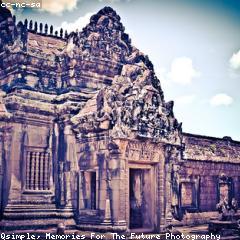
With its world-renowned temples, sandy beaches, dense jungle, and pastoral countryside, Cambodia has no shortage of rich traditions, landmarks, and culture to explore. The Kingdom of Cambodia, as it’s formally known, nei…
DEGREE
Preferred
TYPICAL MONTHLY SALARY
$1,080–$2,320 / month
COST OF LIVING
Low
CAN SAVE MONEY
Yes
HIRING SEASONS
year-round
overview
With its world-renowned temples, sandy beaches, dense jungle, and pastoral countryside, Cambodia has no shortage of rich traditions, landmarks, and culture to explore. The Kingdom of Cambodia, as it’s formally known, neighbors Thailand, Laos, and Vietnam, and its shores overlook the turquoise waters of the Gulf of Thailand. While the country is replete with stunning natural beauty, scars still remain from the dark years of torture and carnage under the Khmer Rouge regime that ruled Cambodia from 1975 to 1979 . The resilience, generosity, and optimism of the Cambodian people through and despite it all, however, make Cambodia the spirited, strong, and growing country it is today. Cambodia has a long and storied history, shaped in large part by religions such as Hinduism and Buddhism. The majority of Cambodians identify today as Khmers, or descendants of the ancient Angkor Empire that stretched across much of Southeast Asia from the ninth to fifteenth century. Cambodia was colonized by France from 1863 to 1953, and in many parts of the country you’ll still be able to spot traces of francophone architecture and culture. Twenty-two years after its independence from France, however, Cambodia again saw bloodshed — the Khmer Rouge forces took hold of Phnom Penh in 1975, inciting years of violence and massacre across the country. Over two million Cambodians died under this brutal regime, and the effects are still visible today: over 50 percent of Cambodia’s population is less than 25 …
qualifications
Each country has its own requirements and qualifications when it comes to teaching. Some require a bachelor’s degree in any field. In others, you’ll qualify with only a high school diploma and your TEFL certificate. Some countries have strict visa requirements that may disqualify you based on your citizenship or criminal background. Let’s take a look at the qualifications needed for teaching English in Cambodia! Education A bachelor’s degree is not required to teach in Cambodia, but it is preferred by employers. Those who do not have a bachelor’s degree will still have options to teach in Cambodia.
Citizenship There are no specific citizenship requirements to teach English in Cambodia. Cambodia is a good teaching market for teachers whose first language is not English. That being said, you’ll still need to have a high fluency in English, and you might need to be more flexible about your school and location preferences to compete with native English-speaking candidates.
Background Check A background check will likely be requested by your school. A clean background check is not necessary to teach in Cambodia. The exception to this rule? Some international schools in Cambodia might require teaching candidates to submit a clean criminal record check.
TEFL Certificate A TEFL certificate is highly advantageous for all positions and may be required by individual schools.
Age Ageism does exist in Cambodia and teachers over the age of 55 may have a harder time finding a job due to…
job types
Cambodia presents a growing market for English teachers. As the country continues to grow economically and further develop its tourism industry, the demand for English language instruction increases as well. The majority of English teaching positions in Cambodia can be found in private language schools, but some qualified teachers also secure jobs teaching English in international schools and/or as private tutors. Each of these job types comes with its own specific set of advantages, so you’ll want to understand the basic differences between them before you begin applying. Private Language Schools At a private language school in Cambodia, you could be working with learners of all ages, from children to adults. You’ll also likely be one of many foreign English teachers at the school, and you should expect to teach classes in the afternoon and evening, outside of the traditional public school or working day hours. Some English teachers in Cambodia find that they need to tutor, teach English online, or work for two different private language schools in order to achieve a full-time schedule, which is around 25 – 30 hours per week. Public School Programs & Volunteer Opportunities Opportunities to work in public schools can be found through government-run programs like Fulbright . Teachers applying to Fulbright, however, should note that they cannot choose where they’ll live in Cambodia — ultimately, they’ll be placed wherever the program needs are highest. Other job types in Cambo…
applying
Now that you’ve explored the job types available to you, it’s time to begin the application process! There are several steps to take to find a job teaching English in Cambodia, and we have them all outlined here below. Heads up! The timelines for your job application process and for gathering documents for your visa may overlap. You’ll want to be working on both processes at roughly the same time. Be sure to check out our Cambodia Timeline , as well as the Applying for the Visa section for more information and to make sure you are staying on top of your visa documents while applying for teaching positions. Because some international schools are operated with external standards and requirements, we can advise you on your resume and cover letter, as we would with any other positions, but we cannot advise on applications or review statements of purpose for content.
Step 1: Prepare Your Initial Application Materials Resume & Cover Letter Your resume and cover letter are the keys to connecting with recruiters and beginning the application process. International employers look for specific elements in a resume that may differ from what you’re used to seeing domestically. Once you’ve updated your resume and cover letter to meet the recommended international standards, submit your drafts to your Student Affairs Advisor for review.
Step 2: Determine Your Preferences A major part of the teaching abroad experience is enjoying where you’ll actually be living! Do you have a preference w…
accepting
Congratulations on your job offer(s)! If you’ve been offered a position from a school in Cambodia and you’ve followed our previous advice, you’re already off to a great start. But what’s next? Determining whether or not the offer is right for you. To help make this decision, follow the recommendations below by reviewing the basics. Whether you have one offer or several, the key elements you’ll want to take note of are: salary, working hours, vacation days, sick days, housing, airfare, insurance, and bonuses. Let’s take a closer look at what to expect with each of these elements. Review the Basics Salary The average starting salary for a first-year English teacher in Cambodia is 2,790,500 to 6,000,000 KHR (Cambodian Riel) per month. Anything significantly lower or higher should make you ask a few questions. If the reason for the pay difference is obvious, like you’ll be in a rural location with a low cost of living or working longer than average hours, you may find that you’re okay with it. But don’t accept a contract that is paying you less for doing the same amount of work the average English teacher does, or one that doesn’t fit into your work-life-travel balance. Working Hours Teaching English in Cambodia can be a part-time or full-time gig, though the latter is more common. However, there’s more than just the total number of working hours per week (typically 20-25 hours) to consider. Will you have to work in the morning for a few hours and then come back for more in the e…
visa
The word “visa” tends to provoke daunting images of endless red tape and paperwork, but we’re here to ease your anxiety and hopefully have you zipping through this visa process like a pro. Take it from ITA graduate Kori J. , who taught English in Phnom Penh: “When I first arrived, I received a tourist visa for 30 days that lasted until the end of the [TEFL] course. Once finished, I renewed for a six-month business visa, and that was it. My school never asked me about obtaining a work permit…After that six months, I just renewed again for another six months.” Please note: In September 2024 Cambodia introduced a new online visa system that requires all applicants to apply and pay for their visa before arriving, either through the government website or app. While it was previously possible to get a visa on arrival, the new system requires users to select and pay for their visa in advance, meaning there is no more visa on arrival process. Sounds straightforward enough, right? Let’s get started! Visa Types Class E Business Visa What is it? Cambodian Ordinary E Class Business Visa is a 30-day visa that can be extended indefinitely and best suited for those who plan on staying in the country long-term. Visa applications require a stamped letter verifying employment in Cambodia. How do you get one? You must apply for it at an Embassy/ Consulate in your home country. Depending on the individual requirements set by the Embassy/ Consulate, you may have to apply online, via mail or in pe…
relocation
In the days, weeks, and months leading up to your move abroad, it’s more important than ever to stay organized and ask yourself: What are the logistics I have to consider and the loose ends I have to tie up in order to thrive in my new home? Do I have to worry about taxes? What about health insurance? And what the heck do I do about a cell phone? Fear not, TEFL teacher. In this section, you’ll find the tips, resources, and wisdom to tackle these questions and more! Review the Basics Health Insurance Although in a perfect world an apple a day would keep the doctor away, in reality, even teachers get sick. Cue health insurance. Regardless of the country you end up in, you should always inquire about health insurance before accepting a position. If health insurance is indeed provided by your employer, it’s imperative that the relevant details are outlined clearly in any contract you sign. Depending on your school, you might or might not receive health insurance benefits. Typically, however, health insurance is not included with the job in Cambodia. If it is, you’re lucky! Check out the “Accepting the Right Offer” section to learn more. That being the case, you will want to do your own research in order to determine which health insurance plan abroad might be the best fit for you, your health needs, and any dependents you might be bringing along. With so many insurance options to choose from, picking out a good provider can be daunting for some teachers. One easy hack? Check out …
timeline
You have finally made it to the end of the Cambodia section, no small feat! Here is all of that wonderful information from the previous section laid out step-by-step and month-by-month before your intended departure date for Cambodia. This timeline is not only for the planners and checklist lovers (although you will love this too!). It is strongly encouraged for anyone planning a move to Cambodia to help keep you on track and organized as you make your way through the process. Finding a Job on the Ground The hiring season in Cambodia is all year round, with the exception of Lunar New Year, which is typically around late January to early February. While it may be possible to move some parts of the process along quicker, follow this timeline as closely as possible. 4 months before departure: Begin your research ___ List out your preferences and priorities ___ Chat with ITA alumni and read about alumni experiences ___ Ensure your passport is valid for at least six months beyond your intended date of departure from Cambodia 3 months before departure: Prepare important documents ___ Finalize your international resume and cover letter ___ Obtain passport photos ___ Make copies of your passport bio data page 2-3 months before departure: Make travel arrangements ___ Book flight to Cambodia ___ If you are entering Cambodia on a Cambodia Tourist Visa, make sure you have proof of onward travel that departs from Cambodia within 30 days of entering the country. 1-2 months before departure…
alumni
There is a huge range [in Cambodia], anything from $1 fried rice dishes at street carts, to $90 imported Kobe steaks. Once you get more settled in you should definitely get out there and explore the Cambodian food scene. Kate J. Phnom Penh, Cambodia I make use of teaching strategies in everyday life, whether it’s building rapport with future funding partners, or correcting errors in a gentle way on proposals I look over. I’m also grateful that having my TEFL gave me the confidence to move to Cambodia... Without it, I may not be here in the Kingdom of Wonder! Joshua B. Phnom Penh, Cambodia There is a big expat community here in the country, so it makes it easy for anyone to make new friends. Also, there are many opportunities around town for cultural discoveries, from weekend hikes to museums and free documentaries, from bamboo festival to Khmer New Year, from shopping in the local markets to finding more Western food in supermarkets. There is always something going on in the capital... I would definitely recommend teaching English in Cambodia. This country makes it easy to find work even for non-degree holders, and you can renew your visa for as long as you want. Melanie B. Phnom Penh, Cambodia