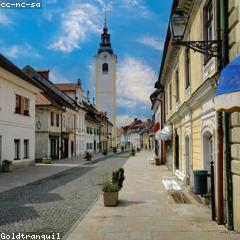
The Balkans is a diverse and historically rich region located in southeastern Europe, comprising Albania, Bosnia and Herzegovina, Bulgaria, Croatia, Greece, Kosovo, Macedonia, Montenegro, Serbia, Slovenia, and the Europe…
DEGREE
Preferred
COST OF LIVING
Low
CAN SAVE MONEY
No
HIRING SEASONS
September, January
overview
The Balkans is a diverse and historically rich region located in southeastern Europe, comprising Albania, Bosnia and Herzegovina, Bulgaria, Croatia, Greece, Kosovo, Macedonia, Montenegro, Serbia, Slovenia, and the European part of Turkey. This area is known for its stunning landscapes, characterized by mountainous terrain and beautiful coastlines along the Adriatic, Aegean, and Black Seas, making it a visually striking destination.
Geography Geographically, the Balkans are a mix of rugged mountains, fertile valleys, and diverse coastlines, which have played a significant role in the region’s complex history and cultural evolution.
Culture In terms of political and economic integration, four countries in the region—Bulgaria, Croatia, Greece, and Slovenia—are members of the European Union. Bosnia and Herzegovina and Kosovo are currently working towards EU membership but have not yet joined. Of the Balkan countries, Greece and Slovenia are the only members of the Schengen Zone, allowing for free movement and trade with other Schengen member states. The Balkans offer a mix of cultures, languages, and traditions, reflecting the historical influence of various empires, including the Ottoman Empire, the Austro-Hungarian Empire, and the Byzantine Empire. As a result, the region is a blend of diverse ethnic groups, religions, and cultural practices, creating a unique and dynamic environment.
Market For those looking to teach English in the Balkans, opportunities can vary greatly de…
qualifications
The Balkans—comprising countries such as Albania, Bosnia and Herzegovina, Bulgaria, Croatia, Greece, Kosovo, Macedonia, Montenegro, Serbia, Slovenia, and the European part of Turkey—present a unique set of challenges for aspiring English teachers, particularly for non-EU citizens.
While the cost of living is generally lower than in many Western European countries, the demand for foreign English teachers can be relatively limited in certain regions. Many of these countries have small populations or well-established local English proficiency, and there is often a preference for hiring EU citizens due to simpler visa processes. Work visas for non-EU teachers can be difficult to obtain, and most opportunities for teaching English are found in private language schools, business English training, or through freelance tutoring.
In larger cities or tourist-centric areas, there may be more demand for teachers, but this varies significantly by country.
That said, while the Balkans are not necessarily a top destination for ESL teachers, it is possible to find opportunities, especially for those already residing in the region, those with specialized qualifications, or those holding EU citizenship. To increase your chances of securing a teaching position in the Balkans, you will typically need: Education A bachelor’s degree is generally preferred, though it may not always be mandatory, especially in certain countries or roles Teaching experience is particularly important for positions …
job types
Job prospects in the Balkans vary greatly from country to country, with each nation’s economic situation and demand for English teachers shaping the job market.
While the region is smaller and economically less prosperous than major Western European markets like Spain, Italy, and Germany, there are still opportunities for those with the right qualifications and flexibility. It’s important to manage expectations in terms of salary and work conditions, as many of these countries may not offer high salaries or substantial savings potential.
However, there are still chances for teachers to thrive, especially in certain areas.
Private Language Schools Private language schools, which primarily cater to adults looking to improve their English for career advancement, are common throughout the Balkans.
While the demand for English teachers exists, it is generally more limited than in larger European markets. Countries like Serbia, Montenegro, and North Macedonia may offer opportunities, but non-EU teachers may face challenges in securing full-time positions due to visa restrictions.
Most positions in private language schools are for part-time or hourly contracts, and teachers are often hired on short-term contracts that may be renewed annually.
While Slovenia offers more stable job prospects for teachers with EU citizenship, Croatia and other nations offer slightly fewer opportunities for teachers from outside the EU.
Summer Camp Teaching in Croatia For teachers without EU citi…
applying
Securing a teaching position in the Balkans requires thorough preparation, persistence, and a strategic approach. Competition can be high, and schools often have specific requirements, such as teaching credentials, experience, and sometimes knowledge of the local language. Tailoring your application materials and understanding the nuances of the hiring process will significantly increase your chances of success.
Prepare Your Initial Application Materials Resume & Cover Letter Your resume and cover letter are the keys to connecting with schools and beginning the application process. International employers look for specific elements in a resume that may differ from what you’re used to seeing domestically. To take a deeper dive into international resumes and cover letters, visit the Resume and Cover Letter section! Once you’ve updated your resume and cover letter to meet the recommended international standards, you can submit your draft to your Student Affairs Advisor for review if you’d like them to review it for you.
Private Tutoring A great way to earn extra cash while also working at a school is to tutor ESL/EFL students privately. Private tutoring is generally set up once you’re already in the Balkans, as it’s easier to network with potential clients and advertise yourself in person. Private teaching and tutoring opportunities can be found year-round in the Balkans, though August and late December to early January are slow hiring months as many people tend to travel. Get…
accepting
Congratulations on your job offer(s)!
If you’ve been offered a position from a school in a Balkan country and have followed our previous advice, you’re already off to a great start. But what’s next?
Determining whether or not the offer is right for you. Since there is a limited demand for English teachers, there is little data on standard benefits such as working hours, vacation days, sick days, housing, airfare, insurance, and bonuses. These can vary widely depending on the school, contract type, and whether you’re employed by a private institution or tutoring independently.
When reviewing your offer, pay close attention to salary, contract length, and any additional benefits provided. Be sure to clarify expectations regarding work permits, taxes, and whether you’ll need to supplement your income with private tutoring. If anything is unclear, don’t hesitate to ask the employer for clarification before accepting the position. To make an informed decision, check out our country profiles for Greece, Croatia, Bulgaria, Turkey, Romania, Hungary, and Slovenia, where you’ll find details on contracts, and what to expect from employers in each country. * Note : If you notice anything missing from the contract that you were promised by the employer, or if something isn’t up to the standards detailed here, reach out to them to have it included.
Negotiations are not unheard of, especially if you have previous teaching experience, and desirable skills.
Some schools may have preset s…
visa
Securing a work visa for teaching in the Balkans can be challenging for non-EU citizens due to limited visa pathways and varying regulations across the region.
Most schools in the Balkans prioritize hiring EU passport holders due to fewer legal restrictions and the ease of obtaining work permits. For a more detailed breakdown of visa options and requirements, be sure to check out our country profiles for Greece, Croatia, Bulgaria, Turkey, Romania, Hungary, and Slovenia, where you’ll find country-specific visa breakdowns.
Work sponsorship for non-EU teachers is rare, particularly in countries with smaller populations or limited demand for foreign teachers.
For non-EU teachers, finding opportunities often requires exploring alternative visa options.
In some cases, teachers may find work through spousal visas or student visas,depending on the specific country’s regulations.
For example, Croatia may offer seasonal teaching opportunities in summer camps without a work visa requirement, but more traditional teaching jobs will likely require sponsorship.
If you’re considering teaching in the Balkans, it’s crucial to thoroughly research the visa requirements of each country, as each has its own process for granting work permits.
Some teachers may also find it easier to work on a business visa or through freelance tutoring, particularly once they are already in-country.
Keep in mind that securing legal work authorization can be a lengthy process, and flexibility and persistenc…
relocation
In the months leading up to your move to the Balkans, it’s crucial to stay organized and plan ahead. Ask yourself: What logistical tasks do I need to manage to thrive in my new home? Do I need to worry about taxes? Health insurance? And what about a cell phone? Fear not, TEFL teacher!
In this section, you’ll find tips, resources, and guidance to help you tackle these questions and more as you prepare to teach in the Balkans. For country-specific guidance on housing, cost of living, healthcare, transportation, and more, check out our country profiles for Greece, Croatia, Bulgaria, Turkey, Romania, Hungary, and Slovenia to help you prepare for your move.
Review the Basics Health Insurance Health insurance requirements vary across the Balkans, and while the public healthcare systems in countries like Slovenia, Croatia, and Greece are generally of good quality, you may not immediately qualify for national coverage, especially if you’re a non-EU citizen.
In many countries, employers provide health insurance, but if your employer does not offer coverage, it’s advisable to look into international health plans that cover the Balkans.
Expats often rely on private insurance until they become eligible for national healthcare, which may depend on your employment status or residency in the country.
Savings & Banking The cost of living in the Balkans is generally lower than in many Western European countries, but it’s still important to have a financial cushion. It’s recommended to ha…
alumni
I say go with your gut. That's what I did. You're probably going to overthink everything and psych yourself out.
If you are even remotely interested in teaching abroad then I think you should do it. Just remember it's not permanent. I don't know anyone who has regretted taking that leap of faith.
Without a doubt, I would recommend teaching English in Istanbul. I've had a fabulous experience here and would love to have everyone see the true colors of Turkey. Ayn-Marie H. Istanbul, Turkey The culture in Romania is very different from that of the U.S. They are very traditional and they have a lot of superstitions. The transportation is pretty reliable and easy to figure out. The city is not very large, so it doesn't take long to get from one end of the city to the other. The bus prices are very cheap, but the state of the buses is not very good. They occasionally break down, and they aren't very clean on the inside. There is not much of a nightlife in the city where I am located. It is a quiet, more traditional city.
The food is very inexpensive, and there is a lot to choose from. They have very good traditional food, but they also have a lot of international food. They have a lot of bakeries and shops along the street that sell breads and pastries. There are not a lot of expats in this area, especially not Americans. The closest airport is nearly 3 hours away, but plane tickets are very cheap from there. Jenny P. Romania